
Wrongful Death Claim vs Personal Injury Claim in New York: What Families Need to Know
When a serious accident or act of negligence occurs in New York, the legal path forward depends heavily on one critical factor: whether the injured person survived. If they did, the case proceeds as a personal injury claim. If they did not, the family may need to pursue a wrongful death claim instead. These two types of civil lawsuits share some common ground, but they differ in meaningful ways when it comes to who can file, what damages are available, and how the legal process unfolds. Understanding those differences is essential for any family navigating the aftermath of a tragedy caused by someone else's negligence.
This distinction matters not only in theory but in practice. Families who lose a loved one due to a preventable accident or act of negligence are often overwhelmed, grieving, and uncertain about their rights. At the same time, individuals who survive serious injuries face their own legal and financial challenges as they work toward recovery. The New York civil court system provides separate but related frameworks for both situations, and knowing which framework applies to your circumstances is the first step toward seeking justice and compensation.
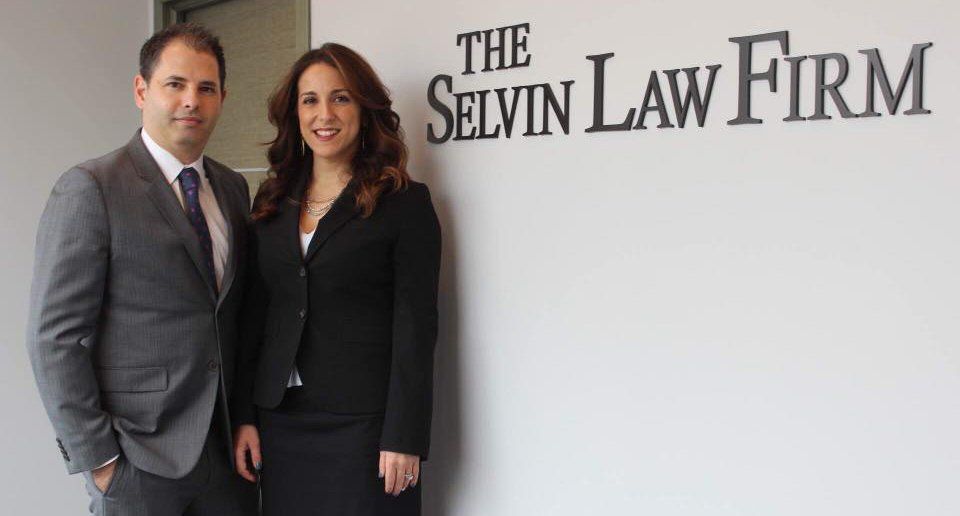
At The Selvin Law Firm, our attorneys have spent more than three decades helping injured individuals and grieving families throughout Long Island, Nassau County, Queens, and New York City understand their legal rights and pursue the accountability they deserve. This article walks through the core differences between a wrongful death claim and a personal injury claim under New York law so that you can make informed decisions during one of the most difficult times of your life.
The Core Legal Difference Between These Two Types of Claims
A personal injury claim arises when a person is harmed due to another party's negligent, reckless, or intentional conduct, and that person survives. The injured individual is the plaintiff in the lawsuit. They bring the claim in their own name, and any compensation recovered is paid directly to them to address their medical expenses, lost wages, pain and suffering, and other losses that resulted from the injury.
A wrongful death claim, by contrast, arises when that same type of negligent or reckless conduct results in someone's death. Because the person who was harmed is no longer alive, they cannot bring a claim on their own behalf. Instead, New York law allows certain surviving family members and the estate of the deceased to seek compensation through a civil lawsuit. The claim is not brought in the name of the deceased person but rather through the personal representative of their estate, acting on behalf of the family and beneficiaries who have suffered losses as a result of the death.
This distinction shapes nearly everything about how these two types of cases are handled, from who has the legal standing to file, to what types of damages can be recovered, to how courts evaluate the evidence and losses involved. Both claims can arise from the same type of incident, including car accidents, medical malpractice, construction site accidents, nursing home negligence, slip and fall incidents, and pedestrian collisions. The nature of the incident does not determine which type of claim is filed - the outcome for the victim does.
Who Has the Right to File Each Type of Claim in New York
In a personal injury case, the right to file belongs to the person who was injured. That individual may be an adult acting on their own behalf, or in cases involving minors or individuals who lack legal capacity, a guardian or parent may bring the claim on their behalf. The injured person is the central figure in the lawsuit, and their physical, emotional, and financial recovery is the focus of the legal proceedings.
Wrongful death claims operate under a different set of rules in New York. Under the state's wrongful death statute, the lawsuit must be filed by the personal representative of the deceased person's estate. This representative is typically named in the deceased's will, or if no will exists, appointed by the Surrogate's Court. The personal representative acts as the legal vehicle through which the case is brought, but they are acting on behalf of the surviving family members and beneficiaries who have suffered financial losses due to the death.
The individuals who may benefit from a wrongful death recovery in New York typically include the surviving spouse, children, and parents of the deceased, as well as other dependents who relied on the deceased for financial support. This is an important nuance - not every family member who grieves the loss will automatically be entitled to compensation, and the specific circumstances of each family situation affect how any recovery is distributed.
Navigating the question of who has standing to file and who qualifies as a beneficiary can be legally complex, particularly when families are already dealing with grief and uncertainty. Speaking with an experienced attorney early in the process helps ensure that the claim is filed by the right party and that the rights of all eligible family members are properly protected.
What Damages Can Be Recovered in Each Type of Case
The types of compensation available in a personal injury case and a wrongful death case overlap in some areas but diverge in others, reflecting the fundamentally different circumstances each claim addresses.
In a personal injury case, the injured person can typically seek compensation for a broad range of losses, including:
- Past and future medical expenses related to treatment and rehabilitation
- Lost wages and reduced earning capacity if the injury affects their ability to work
- Physical pain and suffering experienced as a result of the injury
- Emotional distress and psychological impact
- Loss of enjoyment of life if the injury limits activities the person previously engaged in
- Property damage in applicable cases such as motor vehicle accidents
In a wrongful death case, the damages that can be recovered under New York law are more specifically defined and center on the financial losses experienced by the surviving family. These typically include:
- Funeral and burial expenses incurred by the family
- Medical expenses that arose from the fatal injury or illness prior to the person's death
- The loss of the financial support and income the deceased would have contributed to the family over the course of their expected lifetime
- Loss of parental guidance, nurturing, and companionship for surviving children
- The conscious pain and suffering experienced by the deceased before death, which is typically pursued as a separate survival action alongside the wrongful death claim
One important distinction is that New York's wrongful death statute has historically focused on the economic losses experienced by survivors rather than grief or emotional loss in the same way some other states approach the issue. This makes it especially important to work with an attorney who understands how to fully document and present all available categories of loss on behalf of the family.
It is also worth noting that in some cases involving a fatal injury, two separate but related claims may be filed simultaneously - a wrongful death claim on behalf of the surviving family and a survival action that addresses the conscious pain and suffering the deceased experienced before passing. These claims work together to provide the most complete form of legal relief available under New York law.
How the Legal Process Differs for Families Pursuing a Wrongful Death Claim
Both personal injury claims and wrongful death claims follow a similar general legal path in New York - an investigation, the gathering of evidence, negotiations with insurance companies, and if necessary, litigation in civil court. However, the wrongful death process carries additional layers that families should be aware of before moving forward.
First, establishing who will serve as the personal representative of the estate may require involvement from the Surrogate's Court, particularly if the deceased did not have a will or if there is any dispute among family members. This step must be completed before the wrongful death claim can officially be filed, which is one reason why families are encouraged to consult with an attorney as early as possible after a loss.
Second, proving a wrongful death claim requires demonstrating that the defendant owed a duty of care to the deceased, that this duty was breached through negligent or wrongful conduct, that the breach directly caused the death, and that the surviving family members have suffered measurable losses as a result. This can require testimony from medical experts, accident reconstruction specialists, economists who can project lost earning capacity, and other professionals depending on the specifics of the case.
Third, the financial and emotional stakes in a wrongful death case are uniquely high. Families are grieving while also facing real economic disruption, particularly if the deceased was a primary earner or a primary caregiver. Insurance companies representing the at-fault party are often motivated to minimize what they pay out, which makes experienced legal representation all the more important. An attorney who handles wrongful death cases regularly understands the full scope of what families are entitled to and how to build a case that reflects those losses accurately and compellingly.
The Selvin Law Firm represents families from throughout Long Island, Nassau County, Queens, and New York City in wrongful death cases arising from motor vehicle accidents, medical malpractice, construction site incidents, nursing home negligence, and other circumstances where another party's actions or failures contributed to a preventable death. With offices in Seaford, Garden City, and Queens, the firm is accessible to families across the region and handles wrongful death cases on a contingency fee basis, meaning there is no upfront cost to pursue a claim.
Why Getting the Right Legal Guidance Matters From the Start
Whether you are an injury survivor trying to understand your rights or a family member who has just lost a loved one due to someone else's negligence, the decisions made early in the legal process can have lasting consequences. Filing the wrong type of claim, missing procedural requirements, or failing to identify all available categories of compensation can limit what you are able to recover and complicate the path to justice.
New York law sets specific time limits, known as statutes of limitations, within which personal injury and wrongful death claims must be filed. These deadlines vary depending on the type of case and the parties involved. Missing a deadline can result in losing the right to bring a claim entirely, which is why it is important to speak with a qualified attorney about your specific situation without delay. This article provides general legal information and is not a substitute for personalized legal advice.
If you have lost a loved one due to what you believe was an act of negligence, or if you or someone in your family has been seriously injured and you are unsure how to proceed, the right step is to consult with a knowledgeable attorney who can evaluate your circumstances, explain your options clearly, and guide you through what comes next. The Selvin Law Firm has been serving New York families in personal injury and wrongful death matters for more than three decades, bringing experience, compassion, and dedication to every case they handle.
Contact The Selvin Law Firm today to speak with a member of their legal team about your situation. Whether your family is facing the aftermath of a fatal accident or an injury that has changed your life, they are ready to listen, answer your questions, and help you understand what pursuing a claim might mean for your family's future.

SHARE POSTS:
Leave a Comment
The Selvin Law Firm, PLLC
We bring each client a combination of deep industry knowledge and expert perspectives from other industries on the challenge at stake.
About - Website Lead
Categories
• Medical Malpractice
• Car and truck accidents
• Slips trips and falls
• Dog Bites
• Pedestrian Accidents
• Construction Accidents
• Premises Liability
• Nursing Home Negligence
Recent Posts


Newsletter