Nursing Home Negligence Lawyer Serving Long Island, Queens & New York City
When a Facility Fails Your Loved One, Our Attorneys Fight to Hold Them Accountable
When you entrust a nursing home with the care of someone you love, you expect dignity, safety, and attentive medical treatment — not neglect. Unfortunately, nursing home negligence remains a serious and widespread issue across New York, leaving vulnerable residents to suffer from preventable injuries, untreated medical conditions, and emotional harm. If your family member has been hurt due to substandard care at a long-term care facility, a nursing home negligence lawyer at The Selvin Law Firm is prepared to step in, investigate what happened, and pursue the compensation your loved one may be entitled to. From our offices in Seaford, Garden City, and Queens, we represent families throughout Long Island and New York City who are dealing with the devastating consequences of facility negligence.
What Nursing Home Negligence Looks Like — and Why It Demands Legal Action
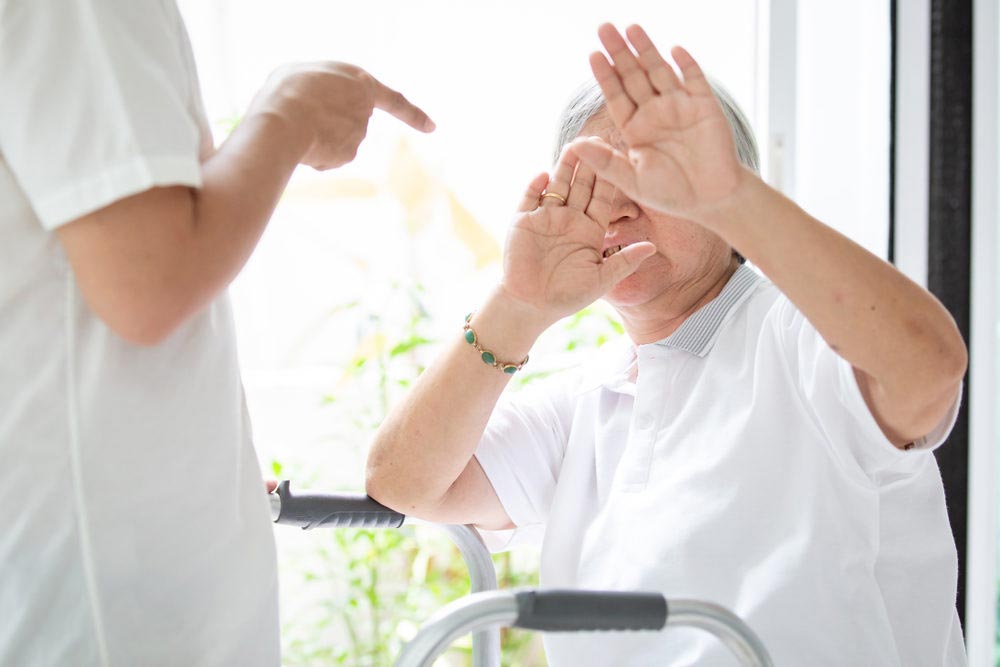
Nursing home negligence occurs when a care facility fails to meet its legal duty to provide residents with a reasonable standard of care. Unlike a single medical error, negligence often reflects a pattern of institutional failure — chronic understaffing, inadequate training, poor supervision, or a culture that prioritizes cost-cutting over resident welfare.
The consequences for residents can be severe and, in many cases, life-altering. Families dealing with nursing home negligence may notice:
- Unexplained bruises, cuts, fractures, or other physical injuries
- Bedsores (pressure ulcers), especially in advanced stages
- Sudden or unexplained weight loss, dehydration, or malnutrition
- Poor hygiene, soiled clothing, or unsanitary living conditions
- Medication errors, missed doses, or overmedication
- Emotional withdrawal, unusual anxiety, or signs of depression
- Recurring infections, including urinary tract infections and pneumonia
- Falls that could have been prevented with proper supervision
These are not simply signs of aging. They are indicators that a facility may be failing in its most basic obligations. A nursing home negligence lawyer can help your family understand what happened, document the evidence, and take legal action against the responsible parties.
How New York Law Protects Nursing Home Residents
New York provides some of the strongest legal protections in the country for nursing home residents. Understanding these protections is an essential part of building a successful negligence claim.
Under New York Public Health Law Section 2801-d, residents of residential health care facilities have a private right of action — meaning they can sue a facility directly when their rights have been violated and an injury has resulted. This statute is significant because it creates a cause of action that is separate from traditional negligence or medical malpractice claims. In certain cases, a family may not need to prove standard negligence to recover damages; they may only need to demonstrate that a right or benefit established by law, regulation, or contract was denied, and that the denial caused harm.
New York law also guarantees nursing home residents a range of fundamental rights, including the right to be treated with dignity and respect, freedom from physical and emotional abuse, access to adequate medical care, a clean and safe living environment, privacy in communications and personal decisions, and the ability to voice complaints without fear of retaliation.
When a facility violates these protections, the law provides families with a pathway to hold them financially responsible. An experienced nursing home negligence lawyer can evaluate your situation and determine which legal theories apply to your case.
Choosing the Right Nursing Home Negligence Lawyer for Your Family
Not every personal injury attorney has the background needed to handle nursing home negligence cases effectively. These claims involve complex healthcare regulations, institutional policies, medical records analysis, and often require expert testimony. Choosing the right lawyer can make a meaningful difference in the outcome of your case.
The Selvin Law Firm brings decades of personal injury experience to every nursing home negligence case we handle. Our attorneys understand the federal and state regulatory framework that governs long-term care facilities in New York, and we know how to identify the failures that lead to resident harm.
When you work with our firm, you can expect a thorough investigation into the circumstances surrounding your loved one's injury, a detailed review of medical records, facility inspection reports, and staffing documentation, direct communication with your legal team throughout every stage of the process, and aggressive representation focused on pursuing full and fair compensation.
We handle nursing home negligence cases on a contingency basis, which means you pay no legal fees unless we recover compensation on your behalf. Your initial consultation is free, and we are available to speak with you about your concerns at any time.
What Compensation Can a Nursing Home Negligence Claim Recover?
Families affected by nursing home negligence may be entitled to pursue compensation for a range of damages, depending on the circumstances and severity of the harm. While every case is different, compensation in a nursing home negligence claim may cover medical expenses related to the injury, including hospitalization, surgery, rehabilitation, and ongoing care, pain and suffering endured by the resident, emotional distress experienced by both the resident and their family, and costs associated with transferring to a new facility or arranging alternative care.
In cases where nursing home negligence results in a resident's death, surviving family members may be able to pursue a wrongful death claim. New York law allows eligible family members to seek damages for their losses, though the legal requirements and timelines for wrongful death cases differ from standard personal injury claims.
The attorneys at The Selvin Law Firm work closely with medical professionals and other experts to accurately assess the full scope of damages in each case. Our goal is to ensure that your family is not left bearing the financial burden of harm that should never have occurred.
Is It Difficult to Sue a Nursing Home?
Suing a nursing home can be challenging, but it is far from impossible — especially with the right legal representation. Nursing home corporations and their insurance carriers often have experienced legal teams dedicated to minimizing liability and reducing payouts. They may attempt to shift blame to the resident's pre-existing conditions, argue that injuries were an unavoidable part of aging, or claim that staffing decisions were within acceptable standards.
However, New York law provides powerful tools for families seeking accountability. As mentioned, Public Health Law Section 2801-d allows residents to bring a private action against a facility for rights violations without needing to satisfy the more demanding elements of a traditional negligence or malpractice claim. This statutory cause of action can significantly strengthen a case.
Additionally, nursing homes are required to maintain detailed records of resident care, staffing levels, incident reports, and regulatory inspections. A skilled nursing home negligence lawyer knows how to obtain and analyze this documentation to build a compelling case. The Selvin Law Firm has the resources and experience to go up against large facility operators and their insurers, and we are prepared to take your case to trial if a fair settlement cannot be reached.
What Are the Four Things Required to Prove Negligence?
In a nursing home negligence case filed under a traditional negligence theory in New York, there are four essential elements that must be established. Each element plays a critical role, and failing to prove any one of them can affect the outcome of a claim.
- The first element is duty of care. You must show that the nursing home owed your loved one a legal obligation to provide competent, attentive care. This duty is inherent in the relationship between a residential care facility and its residents — from the moment a resident is admitted, the facility and its staff are obligated to act with reasonable care and skill in addressing their medical, nutritional, hygiene, and safety needs.
- The second element is breach of duty. This requires demonstrating that the facility failed to meet the applicable standard of care. A breach could involve understaffing that left residents without adequate supervision, failure to follow a prescribed care plan, ignoring documented fall risks, or neglecting to address changes in a resident's condition.
- The third element is causation. It is not enough to show that the nursing home was negligent — you must also connect that negligence directly to your loved one's injury. This often requires medical expert testimony to establish that the harm would not have occurred but for the facility's failure to act appropriately.
- The fourth element is damages. You must present evidence of actual harm — whether physical, emotional, or financial — resulting from the negligence. This includes medical bills, the cost of corrective care, pain and suffering, and any other losses attributable to the facility's conduct.
A nursing home negligence lawyer at The Selvin Law Firm can help your family gather the evidence needed to satisfy each of these elements and present a strong case on your loved one's behalf.
What Are Examples of Nursing Negligence?
Nursing home negligence can take many forms, and it is not always immediately obvious to family members. Some of the most common examples of nursing negligence that our attorneys encounter include failure to reposition immobile residents, leading to painful and potentially life-threatening bedsores. Inadequate nutrition and hydration, resulting in dangerous weight loss or dehydration. Medication mismanagement, including missed doses, incorrect dosages, or administering the wrong medication entirely. Failure to prevent falls by ignoring documented risk factors such as mobility limitations or cognitive impairment. Neglecting personal hygiene needs, leaving residents in soiled clothing or bedding for extended periods. Delayed response to medical emergencies or changes in a resident's health status. Failure to properly monitor and treat chronic conditions such as diabetes, heart disease, or infections. Emotional neglect, including isolating residents, ignoring call buttons, or failing to provide meaningful social interaction.
Each of these scenarios can lead to serious injury, accelerated decline in health, or even death. If you have noticed any of these issues affecting your loved one, it is important to speak with a nursing home negligence lawyer as soon as possible to understand your legal options.

What Are Red Flags in a Nursing Home?
Recognizing red flags early can help families intervene before negligence causes serious or irreversible harm. While not every concern necessarily indicates negligence, certain warning signs should prompt further investigation and, potentially, legal action.
- Staffing concerns: Consistently understaffed shifts, high employee turnover, or an over-reliance on temporary agency workers can all signal a facility that is struggling to provide adequate care.
- Unexplained injuries: Bruises, cuts, or fractures that staff cannot explain — or that are explained inconsistently — warrant immediate attention.
- Declining physical condition: Rapid weight loss, new bedsores, frequent infections, or a noticeable deterioration in hygiene may indicate that basic care needs are not being met.
- Environmental hazards: Dirty or cluttered living spaces, broken equipment, foul odors, or slippery floors suggest maintenance and cleanliness failures.
- Behavioral changes in the resident: Increased anxiety, withdrawal from social activities, fearfulness around certain staff members, or reluctance to speak openly during visits can be signs of emotional neglect or even abuse.
- Poor communication from staff: Difficulty getting updates on your loved one's condition, evasive answers to questions, or resistance to family involvement in care decisions may indicate the facility has something to hide.
- Regulatory history: Facilities with a pattern of citations, fines, or complaints on file with the New York State Department of Health may present a higher risk of negligence.
If you observe any of these red flags, documenting your observations and consulting with a nursing home negligence lawyer can help you determine whether legal action is appropriate. The Selvin Law Firm offers free consultations to help families evaluate their situations and understand their rights.

New York's Statute of Limitations for Nursing Home Negligence Claims
Time is a critical factor in any nursing home negligence case. Under New York law, the statute of limitations for filing a personal injury claim related to nursing home negligence is generally three years from the date of the injury or from the date the injury was discovered. If the negligence resulted in the death of a resident, the statute of limitations for a wrongful death claim is typically two years from the date of death.
There are limited circumstances in which these deadlines may be extended, such as when the nursing home concealed the negligent conduct or when the resident lacked the mental capacity to recognize the harm. However, these exceptions are narrow, and relying on them is not advisable without legal guidance.
Because evidence can deteriorate and witnesses' recollections can fade, it is always in your family's best interest to consult with a nursing home negligence lawyer as early as possible. The sooner your legal team can begin investigating, the stronger your case is likely to be.
Why Families Across Long Island and NYC Trust The Selvin Law Firm
The Selvin Law Firm has built its reputation on decades of dedicated personal injury representation throughout Long Island, Queens, and New York City. Our attorneys are recognized for their commitment to clients and their track record of results — including a 92% case win rate.
We understand that nursing home negligence cases are deeply personal. Your loved one's safety, dignity, and well-being are at stake, and the decision to take legal action is never an easy one. That is why we approach every case with the sensitivity, attention, and determination your family deserves.
With three convenient office locations in Seaford, Garden City, and Queens, we are accessible to families across Nassau County, Suffolk County, Queens, and the greater New York City area. To schedule your free consultation, call 516-992-0805 or book an appointment online.
Frequently Asked Questions About Nursing Home Negligence
About - Website Lead
Practice Areas
Why Choose Us
Solid Years of Experience
Many Prestigious Awards
Experienced Attorney
Free Consulting