Who is Liable When a Pedestrian is Hit in a Crosswalk
Every day in New York, people step off curbs and into crosswalks expecting drivers to stop. It seems like such a simple, reasonable expectation — one backed by law, common sense, and basic human decency. Yet pedestrian accidents in crosswalks happen with alarming regularity, and when they do, the injuries are rarely minor. A vehicle moving even at slow urban speeds can shatter bones, cause traumatic brain injuries, and forever change the life of the person walking. If you or someone you love has been struck in a crosswalk, one of the first and most urgent questions you will face is: who is liable when a pedestrian is hit in a crosswalk? The answer is not always as straightforward as it might seem, and understanding the full scope of legal responsibility is the first step toward protecting your rights and pursuing fair compensation.
Understanding the Legal Foundation: Pedestrian Right of Way in New York
New York law is clear that pedestrians generally have the right of way when crossing at a marked crosswalk or an intersection with a pedestrian signal. Under New York Vehicle and Traffic Law, drivers are required to yield to pedestrians lawfully crossing the roadway within a crosswalk. This obligation is not optional — it is a legal duty. When a driver fails to uphold that duty and strikes a pedestrian, that failure typically forms the foundation of a negligence claim.
However, right of way does not automatically mean the pedestrian is completely free from scrutiny. New York follows a comparative negligence standard, which means that even if a pedestrian bears some percentage of fault for the accident — perhaps they stepped into the crosswalk against a signal, or were distracted by a phone — they may still recover compensation. Their award is simply reduced by their percentage of fault. This is a critical distinction because many insurance companies attempt to shift blame onto the pedestrian in order to reduce or eliminate the payout. Understanding how comparative negligence works is essential to protecting the full value of your claim.
When the Driver Is Liable
In the vast majority of crosswalk accidents, the driver of the vehicle bears primary liability. Driver negligence can take many forms, and recognizing each of them matters when building a strong legal case. Common forms of driver negligence in crosswalk accidents include:
- Failing to yield to a pedestrian who already entered the crosswalk
- Running a red light or stop sign at an intersection
- Distracted driving, including texting or adjusting a GPS while approaching a crosswalk
- Speeding through a school zone, residential area, or any zone with pedestrian traffic
- Driving under the influence of alcohol or drugs
- Making an aggressive or illegal turn without checking for pedestrians
- Failing to account for limited visibility during rain, fog, or nighttime driving
- Ignoring pedestrian crossing signals or warning signs
When any of these behaviors contribute to a crosswalk accident, the driver — and by extension, their insurance company — can be held financially responsible for the pedestrian's medical bills, lost income, pain and suffering, and other damages. Proving driver negligence requires gathering the right evidence quickly, which is why speaking with an attorney as soon as possible after an accident is so important.
When Liability Extends Beyond the Driver
One of the most important things to understand about crosswalk accident liability is that the driver is not always the only responsible party. Depending on the circumstances of your accident, there may be multiple defendants whose negligence contributed to your injuries. Exploring every avenue of liability is essential to maximizing your compensation.
If the driver was operating a vehicle owned by their employer — such as a delivery truck, taxi, rideshare vehicle, or company car — the employer may also be liable under a legal doctrine known as vicarious liability or respondeat superior. This holds employers responsible for the negligent acts of their employees when those acts occur within the scope of employment. In summer months especially, when delivery services, food trucks, and rideshare usage increase across the New York metro area, this scenario becomes increasingly common.
Liability can also fall on government entities when poor road design or inadequate infrastructure contributed to the accident. If a crosswalk lacked proper signage, had faded or missing painted lines, had a malfunctioning pedestrian signal, or was placed in a location that created a dangerous blind spot for drivers, the municipality or agency responsible for maintaining that roadway may share liability. Filing a claim against a government entity in New York involves specific procedural requirements, including strict notice deadlines, so acting quickly is critical.
In some cases, vehicle defects contribute to crosswalk accidents. If a driver's brakes failed, their headlights malfunctioned, or another mechanical defect prevented them from stopping in time, the vehicle manufacturer or a maintenance provider could be held partially liable under product liability law. Additionally, if a third-party driver caused the vehicle that struck you to swerve or lose control, that third party may also bear responsibility.
The Role of Insurance in Crosswalk Accident Claims
New York is a no-fault insurance state, which means that after a pedestrian accident, you will first seek compensation through your own insurance or the driver's no-fault insurance for certain immediate expenses like medical bills and lost wages, regardless of who caused the accident. However, no-fault coverage has limits, and for serious injuries — which crosswalk accidents almost always produce — you have the right to step outside the no-fault system and file a personal injury lawsuit against the at-fault driver directly.
This is where the liability analysis becomes especially important. Insurance companies representing negligent drivers are not on your side. Their goal is to minimize payouts, and they often accomplish this by disputing liability, questioning the severity of your injuries, or arguing that you as the pedestrian share fault for the accident. Without skilled legal representation, injured pedestrians frequently accept settlements that fall far short of what their cases are actually worth.
The types of compensation you may be entitled to in a crosswalk accident claim include:
- Current and future medical expenses, including surgeries, rehabilitation, and ongoing care
- Lost wages and diminished earning capacity if your injuries affect your ability to work
- Pain and suffering, both physical and emotional
- Costs of long-term disability or assisted care
- Loss of enjoyment of life
- Wrongful death damages if a loved one was killed in the accident
What Evidence Establishes Liability in a Crosswalk Accident
Building a compelling liability case requires evidence, and the strength of that evidence often determines whether a case settles favorably or goes to trial. After a crosswalk accident, the following types of evidence are most valuable in establishing who is at fault:
- Police accident reports, which document the officer's observations and any citations issued
- Surveillance footage from nearby businesses, traffic cameras, or doorbell cameras
- Witness statements from people who saw the collision occur
- Photographs and video of the scene, including crosswalk markings, signals, and road conditions
- Medical records that document the nature and severity of your injuries
- Expert witness testimony from accident reconstruction specialists or medical professionals
- The driver's cell phone records, if distracted driving is suspected
- Driver's history of traffic violations or prior accidents
Evidence begins to disappear quickly after an accident. Surveillance footage gets overwritten. Witnesses become harder to locate. Skid marks fade from pavement. This is one of the most important reasons to engage legal counsel without delay — an experienced attorney can begin preserving and gathering evidence immediately, before it is lost.
Special Circumstances That Complicate Liability
Some crosswalk accidents involve circumstances that make liability more complex to establish. Hit-and-run accidents, for instance, present a significant challenge because the at-fault driver has fled the scene. In these cases, injured pedestrians may need to pursue compensation through their own uninsured motorist coverage, and the legal strategy becomes markedly different.
Accidents involving children in crosswalks raise additional concerns, particularly in school zones. Drivers are held to a heightened standard of care in areas where children are known to be present, and the failure to observe posted speed limits or warning signs can constitute egregious negligence. Similarly, accidents involving elderly pedestrians often result in more severe injuries and more complex damages calculations, given the potential for longer recovery times and greater long-term impact.
Summer in New York brings its own set of risks. Increased foot traffic near beaches, parks, and outdoor markets — particularly across Long Island and New York City — means more pedestrians are using crosswalks in areas where drivers may be less attentive, more rushed, or unfamiliar with local traffic patterns. Awareness of seasonal risk factors can support a negligence argument, especially when a driver failed to account for the predictably high pedestrian volume in a given location.
Why Having the Right Legal Team Changes Everything
Determining liability in a crosswalk accident is not a task for the uninitiated. It requires a thorough investigation, a nuanced understanding of New York traffic law, the ability to identify all potentially responsible parties, and the skill to negotiate aggressively — or litigate relentlessly — on behalf of the injured. The difference between handling a claim alone and working with an experienced pedestrian accident attorney is often the difference between a minimal settlement and the full compensation you are owed.
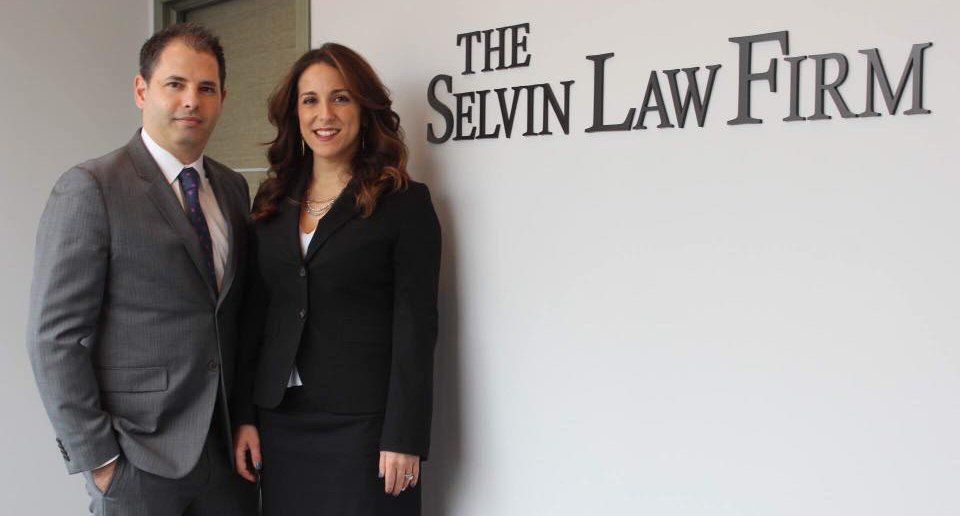
At The Selvin Law Firm, we bring more than 30 years of legal expertise to serious injury and wrongful death cases involving pedestrians across Long Island, Queens, Brooklyn, Nassau County, and the surrounding New York metro area. Our team conducts full accident investigations, collaborates with medical professionals and expert witnesses, handles all insurance communications on your behalf, and fights tirelessly — whether at the negotiating table or in the courtroom — to secure the maximum compensation available to you. With offices in Seaford, Garden City, and Queens, we are strategically positioned to serve accident victims throughout the region.
We understand that being struck in a crosswalk is not just a physical trauma. It disrupts your life, your livelihood, and your sense of safety. Our approach is comprehensive — addressing the legal, financial, and human dimensions of your situation — because we know that what you need is not just a settlement, but a path forward.
Take Action Now — Your Rights Have a Time Limit
New York imposes a statute of limitations on personal injury claims, meaning you have a limited window of time to file a lawsuit after a crosswalk accident. In most cases, that window is three years from the date of the accident, but claims against government entities may require a notice of claim to be filed within as little as 90 days. Waiting too long can permanently forfeit your right to recover compensation, regardless of how strong your case might be.
If you or someone you love has been struck by a vehicle in a crosswalk, do not delay. The questions surrounding liability are complex, the insurance companies are not your allies, and the evidence needed to support your claim is time-sensitive. You deserve an advocate who will fight for you with the same tenacity and commitment that your injuries demand.
Contact The Selvin Law Firm today at 516-992-0805 or visit our website to schedule a free consultation. There is no fee unless we win your case. Let our team of dedicated pedestrian accident attorneys go to work for you — because when you are crossing the street and someone fails to protect your safety, justice is not just possible, it is your right.

SHARE POSTS:
Leave a Comment
The Selvin Law Firm, PLLC
We bring each client a combination of deep industry knowledge and expert perspectives from other industries on the challenge at stake.
About - Website Lead
Categories
• Medical Malpractice
• Car and truck accidents
• Slips trips and falls
• Dog Bites
• Pedestrian Accidents
• Construction Accidents
• Premises Liability
• Nursing Home Negligence
Recent Posts


Newsletter