
What Qualifies as a Medication Error in a Hospital Setting
When you or someone you love is admitted to a hospital, you place an enormous amount of trust in the hands of medical professionals. You trust that nurses will administer the right medications, that doctors will prescribe appropriate dosages, and that pharmacists will catch dangerous interactions before they cause harm. Unfortunately, that trust is not always honored. Medication errors are among the most common and preventable forms of medical negligence occurring in hospitals across the United States, and when they happen, the consequences can range from minor complications to permanent injury or even death.
If you believe a medication error harmed you or a family member during a hospital stay, understanding exactly what qualifies as a medication error - and how it connects to a legal claim - is a critical first step. This article walks you through the types of medication errors that occur in hospital settings, how they are identified, and what legal options may be available to you.
The Legal and Medical Definition of a Medication Error
A medication error is broadly defined as any preventable event that may cause or lead to inappropriate medication use or patient harm while the medication is in the control of a healthcare professional, patient, or consumer. In a hospital setting, medications pass through multiple hands before they ever reach a patient. A physician writes or enters a prescription, a pharmacist reviews and dispenses it, and a nurse administers it. Each of these steps represents an opportunity for a mistake to occur - and each professional involved carries a responsibility to catch errors made by others in the chain.
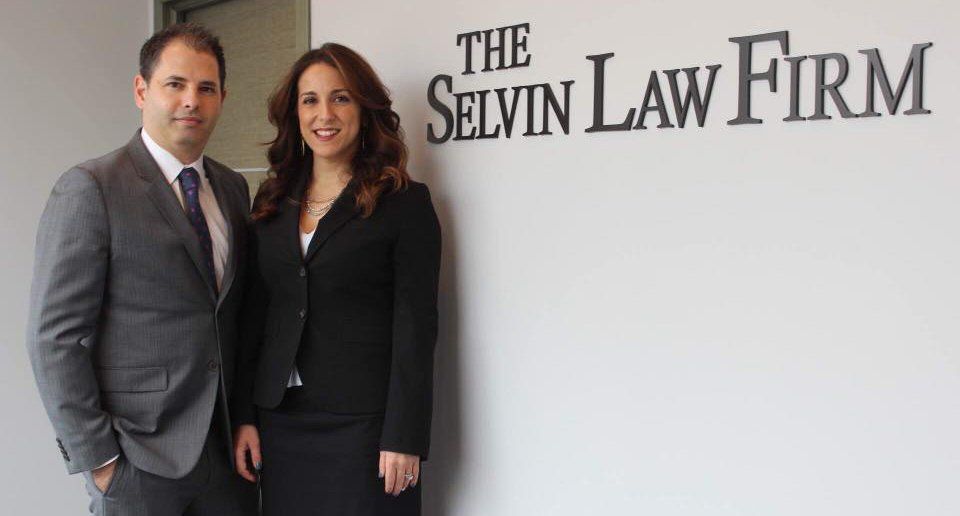
From a legal standpoint, a medication error becomes a form of medical malpractice when it involves a deviation from the accepted standard of care and that deviation directly causes harm to the patient. Not every medication error automatically rises to the level of malpractice, but many do, and identifying the distinction requires careful review of medical records, hospital protocols, and expert medical opinion. At The Selvin Law Firm, the team includes an of-counsel attorney who is a Registered Nurse, giving them a unique ability to analyze complex medical records and identify where the standard of care was broken.
Common Types of Medication Errors That Occur in Hospitals
Medication errors in a hospital setting take many different forms. Some are immediately obvious, while others may not surface until days, weeks, or even months later. Understanding the categories of errors that exist helps patients and families recognize when something may have gone wrong during a course of treatment.
Wrong medication errors occur when a patient receives a drug that was never prescribed for them. This can happen because of similar drug names, look-alike packaging, or a failure to properly verify patient identity before administration. Hospitals are required to follow strict identification protocols, and when those protocols are ignored, the risk of administering the wrong drug rises significantly.
Wrong dosage errors are another frequent category of hospital medication mistakes. Even if the correct drug is administered, giving too much or too little of it can be catastrophic. An overdose of a blood thinner, for example, can cause uncontrolled internal bleeding. An insufficient dose of an antibiotic may allow a serious infection to worsen rather than resolve.
Wrong route errors happen when a medication meant to be taken orally is administered intravenously, or when an injection is given in the wrong location on the body. Different routes of administration affect how quickly a drug enters the bloodstream and at what concentration. Administering a medication through the wrong route can produce a dangerously accelerated or unpredictable response in the patient.
Wrong timing errors involve administering a medication too early, too late, or at entirely the wrong interval. Many medications depend on precise timing to be effective or safe. Failing to adhere to a proper schedule can undermine treatment or create dangerous accumulations of a drug in the body.
Failure to account for drug interactions is a particularly serious type of medication error. Hospitals often treat patients who are already taking multiple medications. When a newly prescribed drug interacts negatively with an existing one, the results can include cardiac events, seizures, kidney failure, or severe allergic reactions. Physicians and pharmacists are trained to check for these interactions, and a failure to do so is a clear deviation from the standard of care.
Prescribing a medication to a patient with a known allergy is another qualifying error. Medical records and intake procedures are designed specifically to flag known allergies before any drug is administered. When a healthcare provider fails to review or act on that information, they put the patient in serious danger.
Beyond these common categories, medication errors in a hospital setting can also include the following:
- Failing to monitor a patient for adverse reactions after administration
- Administering a medication to the wrong patient entirely
- Using an expired medication or one that was improperly stored
- Failing to discontinue a medication when a patient's condition changes
- Transcription errors when entering a prescription into an electronic system
- Dispensing the wrong concentration of a liquid medication
How Hospitals Are Expected to Prevent Medication Errors
Hospitals are not passive environments when it comes to medication safety. There are well-established systems, protocols, and technologies specifically designed to prevent these types of errors from reaching patients. When those systems fail or are bypassed, that failure itself can become evidence of negligence in a legal claim.
Barcode medication administration systems require nurses to scan both the patient's wristband and the medication before it is given. This two-step verification is designed to catch wrong-patient and wrong-drug errors. When hospitals have this technology but staff members skip the scanning process to save time, errors that would otherwise be caught can slip through.
Electronic prescribing systems are designed to flag dosage errors and known drug interactions automatically. Alerts built into these systems are only effective if the prescribing physician takes them seriously and does not dismiss warnings without proper clinical justification. Overriding a safety alert without adequate reason is a behavior that can be scrutinized in a malpractice case.
Pharmacy review is another layer of protection. Before a medication is dispensed, a licensed pharmacist is supposed to independently verify the prescription. If the pharmacist fails to catch an obvious dosage error or a dangerous interaction that should have been apparent from the patient's medication history, that represents a professional failure with potentially serious consequences.
Staffing levels also play a role in medication safety. Nursing staff that are overworked or managing too many patients at once are more likely to make errors. Hospitals have an institutional responsibility to maintain adequate staffing, and when chronic understaffing contributes to a medication error, the hospital itself may share liability along with the individual healthcare provider who made the mistake.
Connecting a Medication Error to a Medical Malpractice Claim
Not every medication error will automatically support a malpractice lawsuit, but many do. For a medication error to qualify as actionable medical malpractice in New York, there are generally four elements that must be established. First, a duty of care must have existed between the healthcare provider and the patient - this is almost always satisfied in a hospital setting simply by virtue of the treatment relationship. Second, there must be a breach of that duty, meaning the provider's conduct fell below the accepted standard of care for a competent medical professional in the same situation. Third, that breach must have directly caused harm to the patient. Fourth, the patient must have suffered actual damages as a result, whether physical, financial, or both.
Causation is often the most challenging element to establish. A patient might receive the wrong medication and experience a worsened condition, but proving that the error - and not the underlying illness - caused the deterioration requires the support of qualified medical experts. This is why having a legal team with deep medical knowledge matters so much in these cases.
The damages that may be recoverable in a medication error malpractice case can include compensation for additional medical treatment required as a result of the error, lost income, pain and suffering, and in tragic cases involving death, wrongful death damages for surviving family members.
Time is also a factor. New York has a statute of limitations that governs how long a patient has to file a medical malpractice claim. Waiting too long can forfeit your right to pursue compensation entirely. If you suspect a medication error occurred, speaking with a qualified attorney as soon as possible is important to preserve your options.
What to Do If You Suspect a Medication Error Harmed You
If you believe you or a loved one suffered harm because of a medication error during a hospital stay, there are practical steps you can take right away to protect yourself and strengthen any future legal claim.
- Request complete copies of all medical records, including medication administration records and pharmacy dispensing logs
- Document all symptoms, side effects, and changes in condition that occurred following the suspected error
- Keep records of all follow-up medical care, additional treatments, and related expenses
- Write down your account of events while details are still fresh, including names of staff members who administered medications
- Avoid signing any release forms or accepting settlement offers from a hospital without first consulting an attorney
- Contact a medical malpractice attorney who can assess your case and begin gathering evidence
Acting quickly gives your legal team the best chance to secure and preserve the evidence needed to build a strong case. Medical records can be amended, personnel records can change, and witnesses' memories fade over time. The sooner an investigation begins, the more complete the picture of what happened will be.
Medication errors are not simply unfortunate accidents to be accepted without question. They are preventable failures that occur when healthcare professionals and institutions do not uphold the standards they are trained and required to meet. Patients who are harmed as a result deserve accountability, and the legal system provides a path to pursue it.
The Selvin Law Firm, PLLC handles medical malpractice cases in New York and brings a combination of legal experience and in-house medical knowledge to every case. With an of-counsel attorney who is a Registered Nurse and a commitment to working alongside top medical experts, the firm is built to take on the complexity that medication error cases require. The firm works on a no fee unless you win basis, meaning there is no financial risk to pursuing a consultation.
If you believe a medication error caused you or a loved one serious harm, do not wait to get answers. Reach out to The Selvin Law Firm, PLLC at 516-992-0805 or visit the firm's medical malpractice page to learn more and get in touch with the team today. You deserve to know whether your rights were violated and what compensation may be available to you.

SHARE POSTS:
Leave a Comment
The Selvin Law Firm, PLLC
We bring each client a combination of deep industry knowledge and expert perspectives from other industries on the challenge at stake.
About - Website Lead
Categories
• Medical Malpractice
• Car and truck accidents
• Slips trips and falls
• Dog Bites
• Pedestrian Accidents
• Construction Accidents
• Premises Liability
• Nursing Home Negligence
Recent Posts


Newsletter