
Questions to Ask Before Hiring a Nursing Home Attorney in New York
When a loved one suffers harm inside a nursing home — a place that was supposed to provide safety, dignity, and professional care — the experience can be overwhelming. Families are often left grieving, confused, and unsure of where to turn. The instinct to seek legal help is a sound one, but choosing the right attorney is a decision that deserves careful thought. Knowing the right questions to ask before hiring a nursing home attorney can make a meaningful difference in the outcome of your case and in your family's ability to find justice and financial accountability.
Nursing home negligence is not a minor legal matter. It sits at the intersection of healthcare regulation, personal injury law, and institutional accountability — and in New York, it involves a layered framework of state statutes, federal guidelines, and facility-level obligations. The injuries that result from this kind of negligence can be severe: advanced pressure ulcers, fractures, dangerous infections, malnutrition, and in the most tragic cases, death. These are not outcomes that families should be expected to navigate alone, and they are certainly not outcomes that warrant anything less than skilled, experienced legal representation.
Yet not every attorney who handles personal injury cases is equipped to handle nursing home negligence claims. These cases require a working knowledge of long-term care regulations, the ability to analyze complex medical records, and experience building the kind of institutional accountability arguments that hold facilities responsible for patterns of failure rather than isolated incidents. Before you retain anyone to represent your family, it pays to ask the questions that reveal whether an attorney is genuinely prepared for that challenge.
What Nursing Home Negligence Actually Involves
Before exploring what to ask a prospective attorney, it helps to understand the nature of the legal claim itself. Nursing home negligence occurs when a residential care facility fails to meet the standard of care it owes to its residents. This can manifest as chronic understaffing, inadequate staff training, poor supervision, or institutional priorities that consistently place cost savings above resident welfare. Unlike a single medical error, negligence in a nursing home setting often reflects a systemic problem — one that may have harmed multiple residents before it harmed yours.
Families dealing with potential nursing home negligence often first notice signs that something is wrong before they understand what that something actually is. Those signs may include:
- Unexplained bruises, cuts, fractures, or other physical injuries
- Bedsores or pressure ulcers, particularly in advanced stages
- Sudden or unexplained weight loss, dehydration, or malnutrition
- Poor hygiene, soiled clothing, or unsanitary living conditions
- Medication errors, missed doses, or signs of overmedication
- Emotional withdrawal, unusual anxiety, or depression in a previously engaged resident
- Recurring infections, including urinary tract infections and pneumonia
- Falls that might have been prevented with adequate supervision
These warning signs are not simply the inevitable consequences of aging. They are potential indicators that a facility has fallen short of its legal obligations — and they are exactly the kinds of facts that an experienced nursing home attorney will know how to investigate, document, and present effectively in a legal proceeding.
Why Legal Representation Matters in These Cases
Nursing homes are institutions with legal departments, insurance carriers, and risk management teams whose job is to minimize liability. When a family raises concerns about a resident's care, they are not dealing with a single individual who made a mistake — they are dealing with an organization that has likely responded to similar complaints before and knows how to protect itself. That institutional imbalance is one of the most compelling reasons to seek qualified legal representation.
An experienced nursing home negligence attorney levels that playing field. They know how to obtain and interpret facility inspection reports, staffing records, internal incident documentation, and medical files. They understand the significance of state survey findings and federal deficiency citations. They have relationships with medical and care experts who can provide testimony about what proper care should have looked like and where the facility fell short. Without that depth of knowledge and those resources, families risk accepting explanations that minimize what actually happened — or missing legal deadlines that permanently foreclose their right to pursue a claim.
New York law provides meaningful protections for nursing home residents, including a private right of action under New York Public Health Law Section 2801-d, which allows residents and their families to pursue legal claims when a facility has violated a right or benefit guaranteed by law, regulation, or contract. Understanding how to use that statute effectively, alongside traditional negligence and wrongful death frameworks, requires an attorney who works in this area with regularity. If you are beginning the process of finding that representation, the team at The Selvin Law Firm offers free consultations and handles nursing home negligence cases on a contingency basis, meaning no legal fees are owed unless compensation is recovered on your behalf.
The process of choosing the right attorney starts with asking the right questions — and understanding what strong, honest answers to those questions actually look like. The sections that follow walk through the most important areas to cover before you make that decision.
Key Questions to Ask Before Hiring a Nursing Home Attorney
When a loved one has suffered harm in a nursing home setting, the instinct to act quickly is understandable. But taking a moment to evaluate your legal options carefully — and to ask the right questions before committing to representation — can meaningfully affect how your case unfolds. Not all attorneys approach these cases the same way, and the differences in experience, focus, and communication style matter enormously when the stakes involve your family's wellbeing and financial recovery.
The following questions are designed to help families in New York make a more informed decision when selecting legal representation for a nursing home negligence claim.
Does the Attorney Have Direct Experience With Nursing Home Negligence Cases?
This is perhaps the most important question to ask, and it deserves a specific answer — not a general reference to personal injury work. Nursing home negligence cases are distinct from car accident claims or slip-and-fall cases. They involve the interpretation of federal and state regulatory standards for long-term care, the analysis of clinical documentation, staffing records, and facility inspection reports, and often require testimony from medical and geriatric care experts.
An attorney who handles these cases regularly will already understand the framework established by New York Public Health Law Section 2801-d, the role of the New York State Department of Health in overseeing residential care facilities, and how to identify institutional patterns of failure rather than isolated incidents. Ask directly: How many nursing home negligence cases have you handled? What were the outcomes? Do you have experience taking these cases to trial if a fair settlement cannot be reached?
How Well Does the Attorney Understand New York's Specific Laws and Regulations?
New York has a distinct legal landscape for nursing home negligence claims. The combination of state statutory protections, federal nursing home reform regulations, and Medicaid compliance requirements creates a layered framework that requires genuine familiarity — not just a surface-level understanding.
When meeting with a prospective attorney, ask them to explain how New York law applies to your situation. A knowledgeable lawyer should be able to speak clearly about the rights guaranteed to nursing home residents under state law, the significance of federal standards established by the Nursing Home Reform Act, and how regulatory violations documented by state inspectors can support a negligence claim. If the attorney cannot engage with these specifics, that is a meaningful signal about their depth of experience in this area.
What Is the Attorney's Track Record in Cases Like Yours?
Past outcomes do not guarantee future results, but they do provide useful context. Ask prospective attorneys about their history with cases involving injuries similar to what your family member experienced — whether that involves pressure ulcers, falls, medication errors, or abuse. A lawyer with relevant case experience is more likely to anticipate the challenges involved and develop an effective strategy from the outset.
It is also reasonable to ask about their experience at different stages of litigation. Some nursing home negligence cases resolve through negotiated settlements; others require filing suit and proceeding through discovery and trial. You want to know that your attorney is prepared to pursue the strongest possible outcome regardless of which path the case takes.
How Will the Attorney Communicate With You Throughout the Process?
Legal matters involving a family member's safety and health are emotionally demanding. Clear, consistent communication from your attorney is not a courtesy — it is a practical necessity. Before hiring anyone, understand how the firm handles client communication. Some questions worth asking include:
- Will you have a direct point of contact, or will your calls be routed through multiple staff members?
- How quickly can you expect responses to calls or emails?
- Will the attorney handling your case personally attend meetings, hearings, and negotiations?
- How often will you receive updates on the status of your case?
These may seem like logistical questions, but they reflect something deeper about how the firm values its clients. Families navigating nursing home negligence claims deserve transparency and accessibility, particularly during a period of significant stress and uncertainty.
What Is the Fee Structure, and Are There Any Upfront Costs?
Concern about legal fees should not prevent a family from pursuing justice. Most nursing home negligence attorneys, including those at The Selvin Law Firm, handle these cases on a contingency fee basis. This means that legal fees are only collected if compensation is recovered on your behalf — there are no upfront costs to begin working on your case.
That said, it is still important to understand the full fee arrangement before signing any agreement. Ask the attorney to explain the contingency percentage, how case-related expenses are handled, and whether those costs are deducted before or after the fee calculation. A reputable attorney will answer these questions openly and provide a written fee agreement that clearly reflects what was discussed.
Does the Attorney Demonstrate Genuine Commitment to Your Family's Situation?
Beyond credentials and case history, pay attention to how the attorney engages with your family's specific concerns during the initial consultation. Do they ask thoughtful questions about your loved one's condition and the circumstances of the harm? Do they take the time to explain the legal process in plain language? Do they treat your concerns as urgent and valid?
A lawyer who is genuinely invested in the outcome of your case will demonstrate that investment from the very first conversation. Nursing home negligence cases can take time to resolve, and the attorney-client relationship needs to be built on mutual trust and respect. Families who feel heard and supported by their legal team are better positioned to navigate the challenges ahead.
- Ask about the attorney's specific experience with nursing home and elder care cases in New York
- Confirm their familiarity with applicable state statutes and federal regulatory standards
- Request information about past case outcomes in situations similar to yours
- Clarify communication expectations, including response times and points of contact
- Understand the fee structure fully before signing any agreement
- Assess whether the attorney demonstrates genuine engagement with your family's situation
Taking the time to work through these questions before selecting an attorney is not an obstacle to getting help — it is how families ensure they are getting the right help. In a legal matter this significant, that distinction is everything.
Making the Right Choice When It Matters Most
When a loved one has been harmed in a nursing home, the pressure to act quickly can feel overwhelming. But rushing into a legal relationship without asking the right questions can cost your family dearly — not just financially, but in terms of the outcome your case ultimately achieves. The attorney you choose will shape every stage of this process, from the initial investigation through negotiation or trial. Taking the time to evaluate your options carefully is not a luxury. It is a necessity.
Asking the right questions before hiring a nursing home attorney gives you the information you need to make a confident, informed decision. It also tells you something important about the attorney: how they respond to direct questions reveals how they will communicate with you throughout your case, how transparent they will be about realistic outcomes, and whether they genuinely have the depth of experience your situation demands.
What the Right Answers Look Like
There is no single script for evaluating a nursing home negligence attorney, but certain qualities should stand out in every conversation. When you ask about experience, you should hear specific references to nursing home and long-term care cases — not just general personal injury work. When you ask about New York law, the attorney should be able to speak fluently about statutes like New York Public Health Law Section 2801-d and the regulatory standards governing residential care facilities. When you ask about communication, you should feel heard, not rushed.
Beyond individual answers, pay attention to the overall tone of the consultation. A skilled nursing home negligence attorney will take the time to understand your loved one's situation before offering any assessment. They will ask questions as well as answer them. They will be honest about the challenges your case may face, rather than making promises designed to win your business. These are the markers of a legal team you can trust.
Before you commit to any attorney, consider whether they have demonstrated:
- Specific experience handling nursing home negligence and elder abuse cases in New York
- A clear understanding of the state and federal regulations that govern long-term care facilities
- Transparency about how cases like yours have been resolved in the past
- A commitment to keeping you informed and involved at every stage of the process
- A contingency fee structure that means you pay nothing unless compensation is recovered
- Genuine compassion for your family's situation — not just your case as a legal matter
When the attorney and firm meet these standards, you can move forward knowing that your loved one's suffering is in capable hands.
What June 2026 Means for Your Timeline
If you are reading this in June 2026 and have recently discovered signs of negligence or abuse in a nursing home setting, time is already a factor. New York law imposes strict statutes of limitations on personal injury and wrongful death claims, and gathering evidence — medical records, facility inspection reports, staffing logs — becomes more difficult as time passes. Memories fade, staff members move on, and documentation can become harder to obtain. Acting promptly does not mean acting carelessly. It means giving your legal team the best possible foundation to build a strong case on your family's behalf.
The financial and emotional burden of nursing home negligence should never fall on the families who trusted a facility to care for their loved ones. New York law exists precisely to create accountability when that trust is broken, and the right legal representation ensures that accountability is enforced.
Your Next Step Starts Here
If you have questions about what happened to your loved one in a nursing home — or if you are trying to decide which attorney is right for your family — The Selvin Law Firm is ready to help. Our attorneys bring decades of personal injury experience to every case, and we understand the specific legal framework that governs nursing home negligence in New York. We handle every case on a contingency basis, meaning there are no upfront costs and no legal fees unless we recover compensation for you.
You deserve straightforward answers, a legal team that communicates clearly, and representation focused entirely on your family's best outcome. To learn more about your rights and options, visit our nursing home negligence page or contact The Selvin Law Firm today for a free, no-obligation consultation. The right questions deserve the right answers — and your family deserves the right attorney.

SHARE POSTS:
Leave a Comment
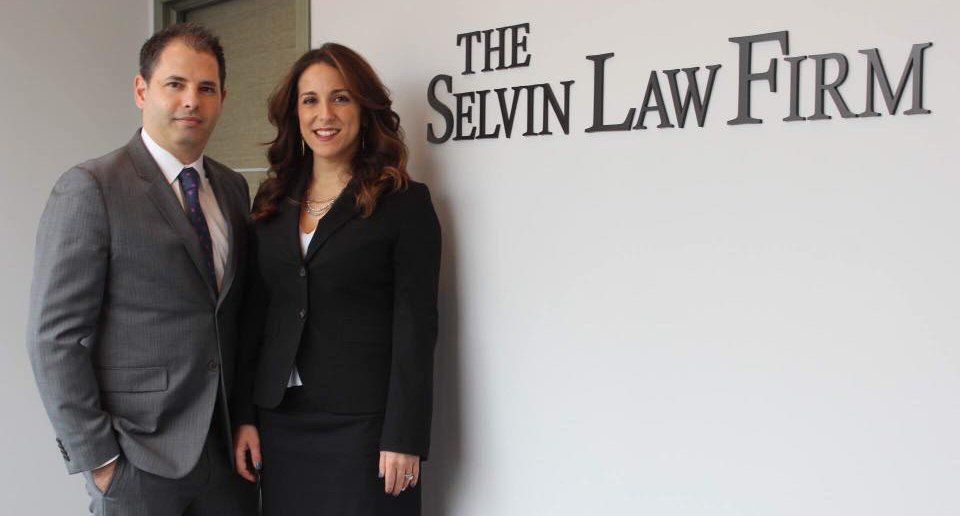
The Selvin Law Firm, PLLC
We bring each client a combination of deep industry knowledge and expert perspectives from other industries on the challenge at stake.
About - Website Lead
Categories
• Medical Malpractice
• Car and truck accidents
• Slips trips and falls
• Dog Bites
• Pedestrian Accidents
• Construction Accidents
• Premises Liability
• Nursing Home Negligence
Recent Posts


Newsletter