
How to Navigate a Medical Malpractice Case in New York: What Every Patient Needs to Know
When Medical Care Goes Wrong
Most of us place an enormous amount of trust in the healthcare professionals who treat us. We follow their advice, submit to procedures, and rely on their expertise to guide some of the most critical decisions of our lives. That trust makes it all the more devastating when something goes wrong — not because of an unavoidable complication, but because of a preventable error. Medical malpractice occurs when a healthcare provider fails to meet the accepted standard of care, and that failure directly causes harm to a patient. Understanding what this means, and knowing how to navigate a medical malpractice case if it happens to you or someone you love, can make the difference between being left without recourse and receiving the justice you deserve.
Medical malpractice is more nuanced than many people realize. Not every bad medical outcome is the result of negligence, and not every mistake rises to the level of malpractice. The law draws a careful distinction between an unfortunate result and a deviation from the standard of care — the level of treatment that a reasonably competent healthcare professional with similar training would provide under similar circumstances. When a doctor, nurse, surgeon, or hospital falls below that standard, and a patient suffers measurable harm as a result, the groundwork for a malpractice claim may exist.
Common Causes of Medical Malpractice
Medical errors can occur in virtually any healthcare setting, from a routine office visit to a complex surgical procedure. Some of the most frequently encountered forms of medical malpractice include the following:
- Misdiagnosis or delayed diagnosis: When a provider fails to identify a condition, or identifies it too late for effective treatment, patients may suffer serious and sometimes irreversible harm.
- Surgical errors: Mistakes made in the operating room — such as operating on the wrong site, inadvertently damaging surrounding tissue, or leaving instruments inside a patient — can have life-altering consequences.
- Medication errors: Prescribing the wrong drug, the wrong dosage, or failing to account for dangerous interactions with other medications can cause serious injury or death.
- Birth injuries: Negligence during labor and delivery can result in preventable injuries to both mother and child.
- Anesthesia errors: Improper administration of anesthesia before or during a procedure carries significant risks, including brain damage and cardiac events.
- Failure to obtain informed consent: Patients have the right to understand the risks of any procedure. Proceeding without proper informed consent can itself constitute malpractice.
Recognizing these patterns is an important first step, but it is only the beginning of understanding how to navigate a medical malpractice case effectively.
Understanding the Standard of Care
Central to any medical malpractice claim is the concept of the standard of care. This is not a single universal benchmark — it varies by specialty, geographic region, and the specific circumstances of each patient encounter. A general practitioner is held to a different standard than a board-certified neurosurgeon, and what constitutes appropriate care in a rural clinic may differ from expectations in a major metropolitan hospital. Establishing the applicable standard, and demonstrating how the defendant's conduct fell short of it, is one of the most complex aspects of these cases.
This is precisely why medical malpractice claims require a level of preparation and expertise that goes far beyond what most legal disputes demand. Attorneys who handle these cases must be able to engage meaningfully with detailed medical records, consult with credentialed expert witnesses, and construct a coherent narrative that connects the provider's deviation from the standard of care to the patient's injury. Without that foundation, even a legitimate claim can falter.
Signs That May Indicate Malpractice
Many patients who have been harmed by medical negligence do not immediately recognize what has happened. Medical professionals are rarely forthcoming about their own errors, and the complexity of healthcare can make it difficult for patients to distinguish between a known risk of treatment and an avoidable mistake. There are, however, certain warning signs worth paying attention to:
- A condition that worsened or failed to improve despite ongoing treatment, with no clear explanation offered by the provider
- A diagnosis that was later revised, particularly if the initial misdiagnosis led to incorrect or harmful treatment
- Complications following a procedure that the provider did not disclose as likely risks beforehand
- A feeling that your concerns were dismissed or that important symptoms were not taken seriously
- Receiving conflicting information from different members of a healthcare team about your diagnosis or treatment plan
- A second opinion from another qualified provider that differs significantly from the original diagnosis or recommended course of treatment
None of these factors alone proves malpractice, but any of them may warrant a closer look. If you suspect that you or a loved one has been harmed by substandard medical care, consulting with an experienced medical malpractice lawyer in New York is the most important step you can take toward understanding your legal options.
New York's medical malpractice laws include strict procedural requirements and statutes of limitations, meaning that waiting too long to seek legal counsel can permanently foreclose your ability to pursue a claim. Acting promptly, gathering documentation, and working with legal professionals who understand both the medicine and the law is essential to giving your case the strongest possible foundation from the outset.
Once you suspect that you or a loved one has been harmed by medical negligence, knowing what to do next can feel overwhelming. The medical system is complex, the legal process can be daunting, and the emotional weight of dealing with an injury caused by someone who was supposed to help you is significant. Understanding the practical steps involved in pursuing a medical malpractice claim can make an enormous difference in how confidently you move forward — and in the ultimate outcome of your case.
Starting With an Initial Consultation
The first and most important step after suspecting medical malpractice is to speak with an attorney who handles these types of cases. An initial consultation gives you the opportunity to discuss what happened, ask questions about your rights, and get a candid assessment of whether you may have a viable claim. During this meeting, an experienced attorney will want to understand the timeline of your medical treatment, the nature of the harm you suffered, and the relationship between the care you received and the injury that followed.
It is worth noting that not every bad medical outcome constitutes malpractice. Medicine involves inherent risks, and complications can occur even when a healthcare provider does everything correctly. What distinguishes malpractice is a deviation from the accepted standard of care — the level of treatment that a reasonably competent medical professional would have provided under similar circumstances. An attorney with a strong background in medical malpractice will be able to help you understand this distinction clearly and honestly.
At The Selvin Law Firm, PLLC, the team emphasizes understanding the medicine before building the legal strategy. This approach is essential because medical malpractice cases are unlike other personal injury claims — they require both legal skill and a genuine grasp of medical facts and procedures.
Gathering Medical Records and Evidence
One of the most critical phases of any medical malpractice case is the collection and review of medical records. These documents form the foundation of your claim and can reveal key details about the care you received, the decisions that were made by your healthcare providers, and where things may have gone wrong. Obtaining a complete set of records — including physician notes, test results, imaging reports, surgical logs, nursing records, and discharge summaries — is essential.
This process can be more involved than it sounds. Medical records are often voluminous, filled with clinical shorthand, and spread across multiple providers or facilities. Knowing what to look for, and what it means, requires both legal and medical knowledge. This is why having a team that can thoroughly parse through records is so valuable in these cases.
Beyond medical records, building a strong case may also involve:
- Documenting your symptoms, pain levels, and how your condition has changed over time in a personal journal
- Collecting any written communications between you and your healthcare providers
- Preserving records of all medical expenses, lost wages, and other financial impacts resulting from your injury
- Identifying any witnesses, such as family members who were present during treatment or follow-up appointments
The goal at this stage is to build a clear, evidence-supported picture of what happened and how the deviation from standard care caused measurable harm to you or your loved one.
Working With Medical Experts
Medical malpractice cases in New York require expert support — and the quality of that support can have a significant bearing on the strength of your claim. Medical experts are typically required to review the facts of a case and provide opinions on whether the treating provider fell below the accepted standard of care and whether that failure caused the patient's injury. These are not simply supporting players; they are central to proving the core elements of a malpractice claim.
Engaging the right experts early in the process matters. Working with medical specialists who are well-regarded in their fields and who can communicate clearly — both in written reports and, if necessary, in court testimony — is critical to presenting a persuasive case. An attorney who has established relationships with credible medical experts and who understands how to work collaboratively with them will be far better positioned to advocate for you effectively.
The collaborative relationship between legal counsel and medical experts is not a formality. It shapes how the case is framed, which arguments are pursued, and how evidence is presented to a jury or in settlement negotiations. Key areas where expert input is typically needed include:
- Confirming whether the medical provider deviated from accepted standards of practice
- Explaining the causal link between the negligent act and the patient's resulting harm
- Addressing the long-term medical and functional consequences of the injury
- Countering arguments that the defense may raise through their own expert witnesses
Causation is widely regarded as one of the most challenging elements to establish in a medical malpractice case. It is not enough to show that a provider made a mistake — you must also demonstrate that the mistake directly caused your injury, rather than the injury resulting from the underlying medical condition itself. This is where thorough preparation, careful evidence gathering, and strong expert collaboration all come together to make a meaningful difference in your case.
Navigating a medical malpractice claim is a process that unfolds over time, requiring patience, preparation, and the right legal and medical team working on your behalf. Understanding these steps not only helps you feel more in control of a difficult situation — it also positions you to be an informed and active participant in your own pursuit of justice.
Why the Right Legal Representation Makes All the Difference
Even when the facts of a medical malpractice case seem clear-cut, successfully pursuing one is anything but simple. New York's medical malpractice laws are complex, the procedural requirements are strict, and healthcare providers and their insurers typically have experienced legal teams working to minimize or deny your claim. That imbalance is precisely why having a seasoned medical malpractice lawyer in your corner is not just helpful — it is often the deciding factor between receiving fair compensation and walking away with nothing.
A lawyer who specializes in medical malpractice does far more than file paperwork. From the moment they take your case, they are building a comprehensive legal strategy rooted in a deep understanding of both the law and the medicine involved. At The Selvin Law Firm, PLLC, this means having an of-counsel attorney who is a Registered Nurse — a distinct advantage that allows the legal team to comb through complex medical records with clinical precision, identifying exactly where and how the standard of care was violated. That kind of insight is invaluable when constructing the foundation of your claim.
What a Specialized Lawyer Actually Does for You
The work of a medical malpractice attorney spans every phase of your case, and each phase demands expertise that a general practice attorney may simply not possess. Here is what you can expect when working with a lawyer who focuses specifically on this area of law:
- Case evaluation: A thorough review of your medical history, records, and circumstances to determine whether a viable malpractice claim exists.
- Expert coordination: Identifying and retaining qualified medical experts early — professionals who can speak authoritatively about the standard of care and how it was breached in your specific situation.
- Evidence development: Gathering, organizing, and preserving all documentation needed to support your claim, including records, imaging, test results, and physician notes.
- Legal filings and deadlines: Ensuring all procedural requirements are met, including New York's statute of limitations, which generally allows two and a half years from the date of the malpractice act or the end of continuous treatment.
- Negotiation: Engaging with insurance companies and opposing counsel from a position of strength, with the goal of reaching a fair settlement whenever possible.
- Courtroom advocacy: If a fair resolution cannot be reached outside of court, presenting a compelling, well-supported case before a judge and jury.
No Fee Unless You Win — Accessible Justice When You Need It Most
One of the most common reasons people hesitate to pursue a medical malpractice claim is concern about the cost. Legal representation, expert witnesses, and court fees can add up quickly, and many people who have already been harmed by medical negligence simply cannot afford to take on that financial risk out of pocket. The contingency fee model exists specifically to remove that barrier.
The Selvin Law Firm, PLLC operates on a no-fee-unless-you-win basis, which means there is no upfront cost to getting started. If the firm does not recover compensation on your behalf, you do not owe attorney's fees. This model aligns the interests of your legal team directly with yours — your attorney succeeds only when you succeed. It also means that families and individuals who have suffered serious harm are not priced out of the legal system simply because a negligent medical professional caused them harm.
Support That Carries You Through the Entire Process
A medical malpractice case can take months or even years to resolve, and the emotional and physical toll on victims and their families during that time is real. One of the most important things a strong legal team provides — beyond courtroom skill and medical knowledge — is consistent, compassionate support throughout the entire journey. Knowing that experienced professionals are handling the legal complexities allows you and your family to focus on what matters most: recovery and wellbeing.
This summer, if you or someone you love has been injured due to a healthcare provider's negligence, do not let uncertainty or fear prevent you from taking action. The statute of limitations in New York is unforgiving, and waiting too long can permanently eliminate your right to seek justice. The sooner you speak with a qualified attorney, the better positioned your case will be.
- Medical errors can cause lasting physical, emotional, and financial harm that deserves to be addressed.
- You have legal rights — and those rights are enforceable with the right representation.
- A free consultation costs nothing and can clarify your options immediately.
- The Selvin Law Firm, PLLC brings medical and legal expertise together under one roof to fight for you.
You should never have to face the consequences of someone else's negligence alone. If a doctor, hospital, or healthcare professional failed you, the team at The Selvin Law Firm, PLLC is ready to review your case, answer your questions, and fight tirelessly for the outcome you deserve. Reach out today by calling 516-992-0805 or visiting the firm online to schedule your free consultation — because the path toward justice begins with a single conversation, and that conversation should happen now.

SHARE POSTS:
Leave a Comment
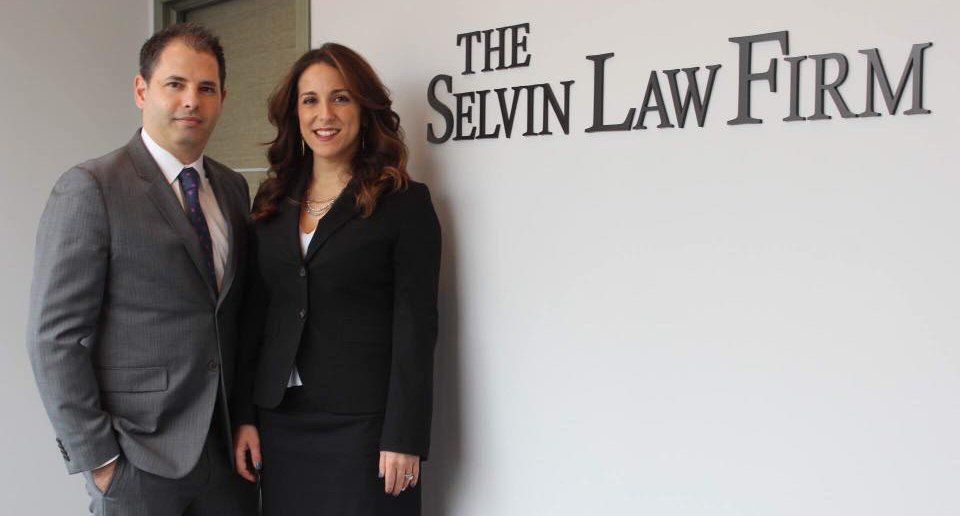
The Selvin Law Firm, PLLC
We bring each client a combination of deep industry knowledge and expert perspectives from other industries on the challenge at stake.
About - Website Lead
Categories
• Medical Malpractice
• Car and truck accidents
• Slips trips and falls
• Dog Bites
• Pedestrian Accidents
• Construction Accidents
• Premises Liability
• Nursing Home Negligence
Recent Posts


Newsletter