Can a Trucking Company Be Liable for a Truck Driver Accident? Understanding the Complexities
Understanding Trucking Company Liability
Accidents involving trucks can leave victims grappling with severe injuries, financial burdens, and the daunting task of navigating the legal system. It's crucial to comprehend the legal landscape, especially when it comes to liability after a truck accident. This blog explores whether trucking companies can be held liable for accidents caused by their drivers—a question of paramount importance for victims seeking justice and compensation.
Unlike standard vehicle collisions, trucking accidents often involve larger vehicles that can cause extensive damage and injuries due to their size and weight. Understanding liability within this context is essential for victims to recognize their rights and the recourse available to them.
So, can a trucking company be liable for a truck driver accident? The short answer is yes—but the details can be complex.
The Basics of Liability in Truck Accidents
Liability, in legal terms, refers to the responsibility for one's actions or omissions that can cause harm to another individual. In the context of truck accidents, establishing liability is crucial for determining who is financially responsible for compensating the injured party.
- Vicarious Liability: One of the main legal principles at play is vicarious liability. This principle holds that an employer can be responsible for the negligent actions of its employees, provided those actions occurred in the course of their employment. Thus, if a truck driver causes an accident while fulfilling their job duties, the trucking company could be held liable.
Several factors come into play when establishing a trucking company's liability:
- The nature of the driver's employment and whether they were acting within the scope of their job at the time of the accident.
- The company's role in hiring, training, and supervising the driver.
- Any violations of trucking regulations or safety standards that contributed to the accident.
The Role of the Truck Driver in Liability
The truck driver’s actions are often at the forefront of liability discussions. Their negligence or reckless behavior can significantly impact liability determinations. Common negligent actions by truck drivers that lead to accidents include:
- Driving under the influence of drugs or alcohol
- Distracted driving, such as texting while driving
- Speeding or violating traffic regulations
When the driver acts negligently, it can establish a direct link to the trucking company's liability. However, it’s important to note that the trucking company may also share responsibility in certain scenarios. These include:
- Insufficient Training: If a trucking company fails to provide adequate training, it could be liable if the driver’s lack of preparation contributes to an accident.
- Improper Vehicle Maintenance: A company that neglects routine maintenance or fails to repair defects may also be deemed liable if those failures lead to an accident.
In summary, while truck driver negligence can pave the way for liability, the actions of the trucking company are equally significant in establishing responsibility for an accident. Understanding these nuances can empower victims and their families as they consider pursuing a claim.
If you or a loved one has been involved in a truck accident in New York City, it's essential to consult with a qualified truck accident lawyer who can help you navigate the complex legal waters and fight for your rights. Contact The Selvin Law Firm for expert legal assistance in your case.
Key Factors That Influence Liability
In the aftermath of a truck accident, understanding who can be held liable is vital. The complex nature of these incidents often involves multiple parties, each with distinct responsibilities. Thus, establishing liability can be a multifaceted process requiring thorough investigation and legal expertise.
Understanding the Complex Web of Liability
Truck accidents may involve various stakeholders, not just the truck driver. Here are some parties that can potentially bear liability:
- The Truck Driver: Their actions and decisions during the accident are critical in establishing fault.
- The Trucking Company: As the employer, they may be liable for the driver’s actions under the principle of vicarious liability.
- Third-Party Contractors: These can include brokers or other entities involved in the logistics of the trucking operation.
- Maintenance Providers: Companies responsible for the maintenance of the vehicle can be liable if poor maintenance contributes to the accident.
Additionally, gathering pertinent evidence is crucial for establishing fault in truck accidents. Investigative measures like acquiring dashcam footage, black box data, and witness statements play a significant role in building a strong case.
State and Federal Regulations Affecting Liability
Legal regulations surrounding trucking operations significantly influence liability in accidents. Some key regulations include:
- FMCSA Regulations: The Federal Motor Carrier Safety Administration regulates trucking companies to promote safety and compliance. Violations can lead to increased liability.
- State Laws: Local laws also dictate liability standards and can affect the outcome of claims. In New York City, specific regulations may impose additional requirements on trucking operations.
Understanding these regulations is essential, as compliance or non-compliance can substantially impact liability claims. A trucking company that fails to adhere to safety standards may face heightened liability in the event of an accident.
The Influence of Evidence on Establishing Liability
Evidence plays a critical role in determining liability following a truck accident. The ability to preserve evidence quickly can significantly impact the outcome of a claim. Necessary evidence can include:
- Accident Reports: Official documentation detailing the circumstances of the accident.
- Eyewitness Accounts: Testimonies from individuals who witnessed the crash can provide crucial insights.
- Vehicle Maintenance Records: These records can demonstrate whether the vehicle was in safe operating condition before the accident.
Because evidence can deteriorate or be lost over time, it’s vital to act promptly. Victims should collect and preserve as much evidence as possible immediately after the incident.
If you or a loved one has been involved in a truck accident, seeking the assistance of experienced legal professionals is essential. The Selvin Law Firm offers dedicated support and expertise to navigate the complexities of truck accident claims and ensure your rights are protected.
Working with a Truck Accident Lawyer
After experiencing a truck accident, the path toward recovery can feel overwhelming. This is where a specialized truck accident lawyer becomes essential. Understanding your rights and the nuances of trucking laws is crucial in navigating this complex terrain. Victims often ask, 'Why should I hire a truck accident lawyer?' Here’s why having legal support makes a difference:
- Expert Guidance: A truck accident lawyer knows the intricacies of trucking regulations and the legal standards that apply. This expertise helps victims avoid common pitfalls when filing claims.
- Strategic Representation: Lawyers with experience specifically in truck accident cases can develop tailored strategies to effectively advocate for your rights and maximize potential compensation.
- Powerful Negotiation: Insurance companies often aim to minimize payouts. A seasoned lawyer will handle negotiations with insurers to ensure you receive a fair settlement.
Additionally, engaging a truck accident lawyer promptly can help preserve crucial evidence, which is vital for establishing liability. At The Selvin Law Firm, we prioritize rapid action to safeguard your case.
How to Maximize Your Claim for Compensation
Securing compensation after a truck accident requires a well-structured approach. Here are some strategies to help maximize your claim:
- Comprehensive Damage Evaluation: Assess all damages incurred, including medical expenses, lost wages, and emotional distress. A thorough evaluation will strengthen your case for higher compensation.
- Clear Documentation: Keep meticulous records of your medical treatments, related expenses, and any communication with insurance companies. Proper documentation is key in substantiating your claims.
- Negotiate Effectively: Don’t accept the first settlement offer. Insurance companies may provide lower initial offers. A qualified truck accident lawyer will advocate for what you truly deserve.
It's crucial to approach negotiations with the right legal representation. At The Selvin Law Firm, we have a proven track record of achieving favorable settlements for our clients, ensuring fair compensation for both immediate and long-term needs.
Conclusion: Empowering Victims of Truck Accidents
In summary, understanding truck accident liability is vital for victims seeking justice. The questions of liability are complex, involving various parties and regulations. Through the right legal guidance, victims can navigate this confusion effectively. Our commitment at The Selvin Law Firm is to empower victims, ensuring their rights are protected and they receive the compensation they deserve.
We encourage anyone who has suffered from a truck accident to seek legal assistance promptly. Our team is dedicated to helping you understand your options and fighting for your rights. Don’t hesitate to contact us for a free case review, and let us help you take the next steps on your road to recovery.
Final Thoughts
After a truck accident, the journey toward recovery can be complicated by the weight of legal decisions and health concerns. Trusting a knowledgeable truck accident lawyer can provide clarity and direction during this difficult time. At The Selvin Law Firm, we stand ready to assist you in navigating the complexities of truck accident claims, providing the dedicated support you need to reclaim your life.

SHARE POSTS:
Leave a Comment
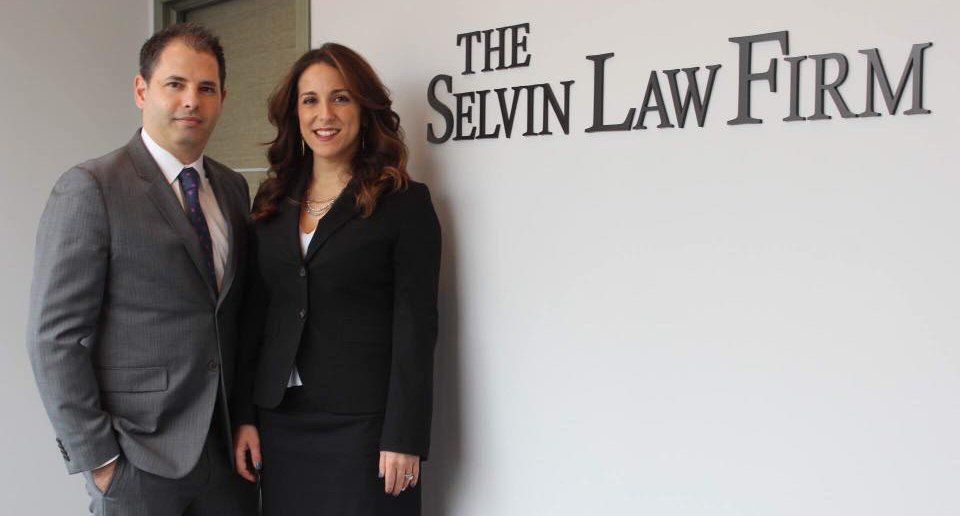
The Selvin Law Firm, PLLC
We bring each client a combination of deep industry knowledge and expert perspectives from other industries on the challenge at stake.
About - Website Lead
Categories
• Medical Malpractice
• Car and truck accidents
• Slips trips and falls
• Dog Bites
• Pedestrian Accidents
• Construction Accidents
• Premises Liability
• Nursing Home Negligence
Recent Posts


Newsletter